Prehisto Parc
This park recreates life in prehistoric times.
Peaceful living in medieval Beaulieu
Located just a 5 minutes stroll from the riverbanks of the Dordogne and situated in the centre of the picture perfect medieval town, the hotel is the perfect spot from which you can explore or simply enjoy your harmonious surroundings.
Le Beaulieu features a total of 25 rooms, accommodating anything from a standard twin to a family suite. They are spacious and elegant with all the modern comforts. Downstairs you can cosy up in the lounge next to the roaring open fire in the colder months, or you can go outside into the luscious garden and savour a cold drink in the sun.
Breakfast can be enjoyed each morning down in the dining room or in the peace and quiet of your room.
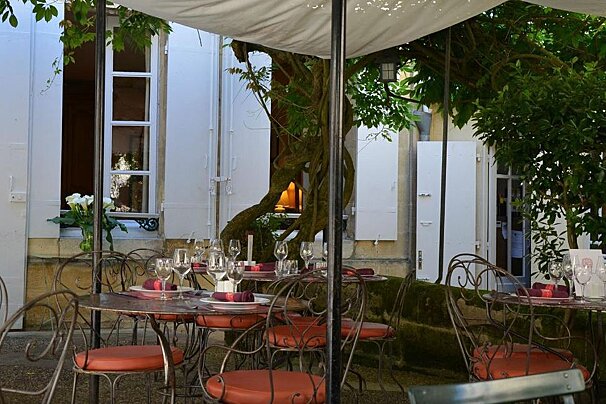
La Table de Catherine seeks inspiration from the finest local produce in the Pèrigord and the ever changing seasons. Original dishes based on traditional fare grace the menu and can be enjoyed as part of a set selection or à la carte. Children's menus are also available. Whatever your choice, immerse yourself in the comforting dining room or embrace the outdoors on the terrace.
Up to three children under the age of 16 can stay for free when using an existing bed.
This park recreates life in prehistoric times.
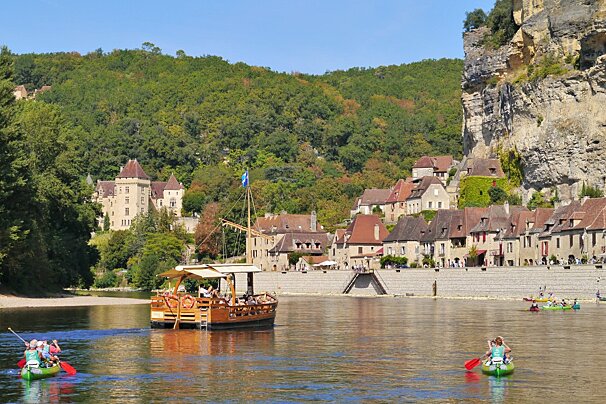
Hire a canoe or kayak from this company and you can enjoy a gentle river cruise and the chance to explore the wonderful Dordogne river and its banks.
Offering various routes along the Dordogne river to enjoy the sights of the Perigord Noir region. Discover hidden treasures during a relaxing journey down the river.
This wildlife park is dedicated to the Barbary Macaque monkey who roams free in the 20 hectares of woodland.
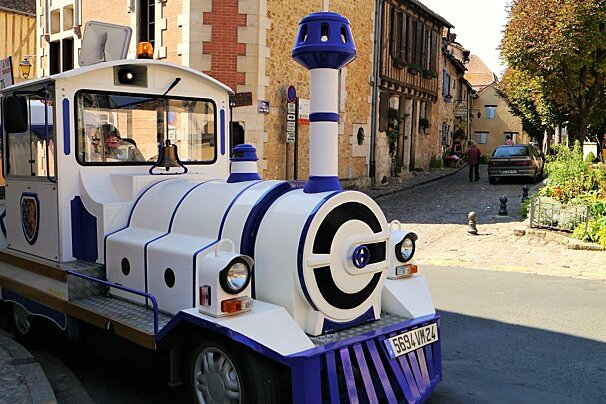
A trip on a petit train is the perfect way to see this small bastide town and to learn a little more about the long history of the bastide town.
Travel along the valley of the five chateaux on traditional barges and discover some of the most beautiful sites.
This elegant and sophisticated two Michelin star restaurant offers creative dishes designed by chef Cédric Béchade, who plays with colours and textures in his cuisine.
The dining rooms allow for views of the surrounding vineyards and rolling hills. Drinks can also be enjoyed in the small library or among the chestnut trees.
With their very own garden, the restaurant has access to the freshest fruit, vegetables, edible flowers and herbs. This is reflected in the menu, which makes the most of the regions famous culinary delights, including foie gras and of course Perigords black diamond, the truffle. You will easily settle into the cosy, contemporary restaurant or get to enjoy your surroundings while dining out on the terrace.
Set in an inviting tranquil hotel just a short distance from the centre of medieval Brantome. A meal typical of the region including duck, foie gras and of course truffles can be enjoyed in the spacious restaurant or under the mulberry trees on the terrace in the summer.
Set inside a 106-hectare estate Castle, the restaurant setting alone is worth a visit, but with beautiful stone walls, painted wooden beams and decorated in traditional fashion, it is very much worth taking a step inside.
This restaurant in the old guard rooms of the Château du Viguier Royal, makes this old mansion-house kitchen alive again. The chef, Daniel Authié, creates cooking art which mixes contemporary and traditional flavours. The sommelier and head waiter, Bernard Badia, offers helpful advice on the food characteristics and complementary wines.
Situated in the heart of the pretty town of Beaulieu-sur-Dordogne, the Abbaye Saint-Pierre church sits in the Place du Marche and stands high above the surrounding buildings.
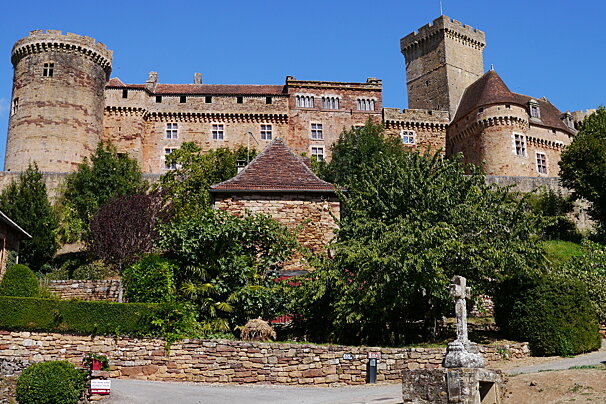
Not to be confused with the Château de Castelnaud, this château close to Brenetoux stands as an incredible example of a fortified castle, with a combination of architecture from the 13th-century through to the 17th-century.
The village of Carennac grew up around a clunian priory founded in the middle of the 11th-century. This beautiful church and cloister are at the centre of the village.
This well-preserved chateau is now home to the Heritage Centre for Art and History of the Dordogne region, with a permanent exhibition that explains the wealth, heritage, art and architecture of this region.
The most famous cave in Europe the Gouffre de Padirac is also considered to be one of the most important and interesting geological sites in France.
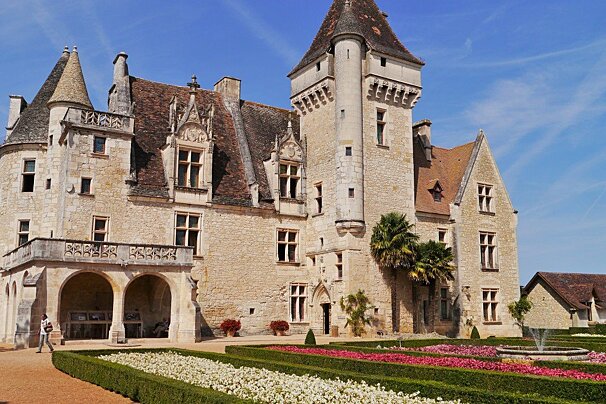
Part Renaissance palace, part medieval fortress, the original foundations date to the 15th century but were adapted by Jeanne Balzac d'Entraygues.
This medieval town on a bend in the Dordogne grew around its 9th century Benedictine abbey of Saint-Pierre.
Carennac has been previously voted 'One of the 'Most Beautiful Villages in France' and it's easy to see why. The blonde stone and red-brown roofs of its buildings have tall chimneys and are adorned with creepers that turn red in the autumn.
The riverside town of Saint-Céré is a lovely place to base yourself for excursions in the region. The La Bave river winds its way through the centre of the town and its old buildings have been carefully restored, retaining their timber vaulting or Renaissance stonework.
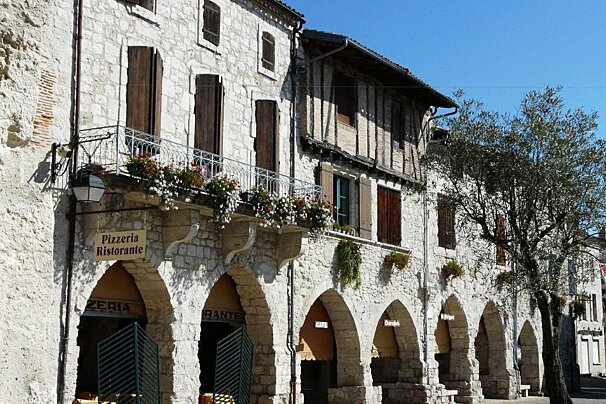
Picturesque village typical of Quercy. The traditional houses have corbelled fronts, brown-tiled roofs and pigeon lofts built into their walls.
The town of Martel is not, in fact, famous for the brandy (that's Martell with two ll's) but is well known as the capital of truffles and a great producer of walnuts, two of the region's specialities.
Perched on the side of a cliff, in a gorge above the river Alzou, this medieval town has a breathtaking setting.